
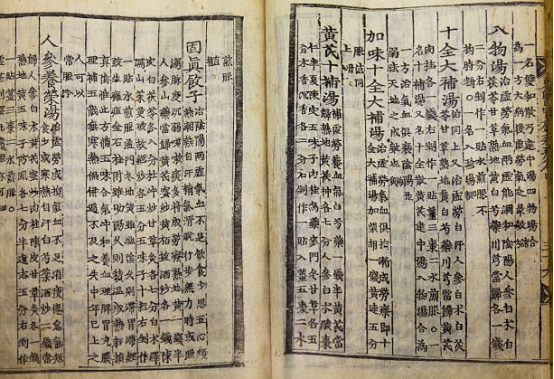
The Analects is a treasure of ancient Chinese thought. It is not only a record of the words and deeds of Confucius and his disciples, but also a core text of Confucianism, carrying the spiritual legacy of Eastern civilization for over two thousand years. For the modern world, the Analects’ value transcends time, space, and cultural boundaries. The warmth of humanity and wisdom it embodies have not only shaped the Chinese spiritual world but also provided enduring insights into the relationships between people, society, and self. For those living in Western societies, the ideas contained in the Analects offer a crucial window into understanding Eastern culture, fostering interpersonal balance, and fostering self-cultivation.
1. The Humanistic Warmth of the Analects: A Way of Caring with Benevolence at its Core
The most central concept in the Analects is “benevolence.” Confucius said, “The benevolent love others.” These four words reveal the starting point of Confucianism: care and compassion. Benevolence is more than just love for others; it is a warmth of the heart, an emotional attitude that transcends utilitarianism and self-centeredness. It embodies a respect for life and a pursuit of social harmony.
Confucius lived during the Spring and Autumn Period, a time of conflict among feudal states and the collapse of rituals and music. Against this backdrop, he proposed the concept of “benevolence,” which served as both a moral advocacy and a form of social healing. A benevolent person treats others with empathy, conducts himself with respect, and conducts himself with honesty. Confucius emphasized not abstract beliefs or rigid laws, but rather the manifestation of the radiance of human nature through daily behaviors such as forgiveness, filial piety, loyalty, and trustworthiness. For example, his saying, “Do not do to others what you do not want done to yourself,” is one of the earliest ideas on the balance between human rights and ethics. It embodies empathy for the feelings of others and provides an ethical foundation for coexistence in modern society.
From a modern perspective, this spirit of “benevolence” still holds powerful practical relevance. In today’s fiercely competitive and information-fragmented society, many are driven by efficiency and profit, and interpersonal trust and understanding have become scarce. The concept of “benevolence” in the Analects reminds us that the core of interpersonal relationships isn’t possession or comparison, but understanding, respect, and care. Whether in family relationships or social interactions, only the warmth of human hearts can keep human civilization from cooling down.
II. The Wisdom of Life in the Analects: The Power of Doctrine of the Mean and Self-Reflection
The Analects not only embodies warm humanistic care but also offers profound wisdom in dealing with the world. Confucius did not encourage escapism or extreme idealism. Instead, he advocated the doctrine of the mean, a path to inner balance in a complex society. The so-called “mean” is not mediocrity, but rather a wise self-control, an unbiased, just-right approach to life. Confucius said, “Excess is as bad as deficiency.” This means that in any situation, neither excess nor deficiency is desirable; true wisdom lies in mastering the right balance.
In modern society, people often find themselves in trouble due to extreme pursuits—pursuing success at the expense of health, pursuing freedom at the expense of restraint, and pursuing self-centeredness at the expense of others. The concept of “moderation” reminds us that true strength comes from balance. It is the ability to find harmony between reason and emotion, and between the individual and society.
Another profound wisdom in life is the “self-reflection” emphasized by Confucius. Confucius once said, “I examine myself three times a day.” This seemingly simple statement reveals the key to self-cultivation. Self-reflection is the ability to reflect and a driving force for self-growth. It requires people to not blame others when faced with mistakes, but to reflect on themselves and seek ways to improve. Modern psychology often advocates “self-awareness,” which is similar to Confucius’ “self-reflection.” A person who understands reflection can learn from failure, gain understanding from conflict, and grow from setbacks. This is precisely the attitude to life inspired by the Analects.
III. The Resonance of the Analects with Modern Society: From Eastern Wisdom to World Philosophy
The world today is undergoing a rapid technological revolution and cultural change. The anxiety and confusion facing humanity have not diminished, but rather have become more complex amidst the information explosion. Although written over two thousand years ago, the Analects has transcended time and cultural barriers, becoming a global intellectual resource. This is because Confucianism focuses not on abstract political systems or theological systems, but on human issues—how to conduct oneself, how to interact with others, and how to find peace of mind.
Western society emphasizes individual freedom and independent thinking, while Confucianism emphasizes interpersonal responsibility and connection. While these two concepts may seem contradictory, they are actually complementary. While Western philosophy primarily explores the question “Who am I?”, Confucianism addresses the question “What is my relationship with others?” The principles of “propriety” and “righteousness” advocated in the Analects symbolize social order and moral responsibility. They remind us that true freedom lies not in isolation from constraints, but in self-realization through mutual respect.
For example, Confucius advocated “the gentleman is harmonious but different,” an ancient expression of diversity and inclusion. It implies that a well-educated person is able to maintain harmonious relationships with others without forcing conformity. This concept is particularly important in today’s multicultural society. Whether in cross-cultural communication, social management, or workplace collaboration, a “harmony but different” attitude can reduce conflict and enhance understanding.
Furthermore, the educational philosophy of the Analects is equally insightful. Confucius advocated “teaching without distinction,” believing that education should not be limited by social class or background. This philosophy predates the Western Enlightenment by thousands of years, yet shares the same emphasis on equality and the development of potential. In today’s globalized education system, this philosophy remains inspiring—everyone has the right to be understood, respected, and nurtured.
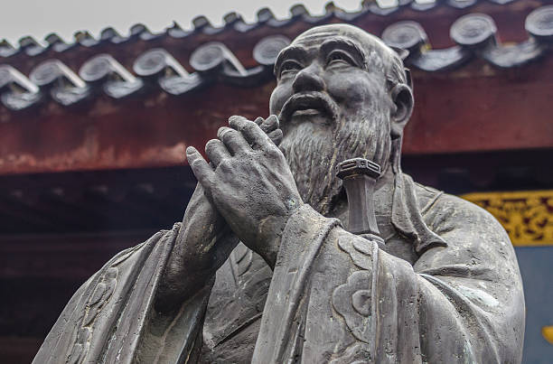
4. The Life Enlightenment of the Analects: The Intrinsic Logic of Self-cultivation, Family Management, State Governance, and Peace in the World
The core of Confucianism lies not only in ethics and morality but also in a progressive ideal of life. As seen in the Analects, Confucius’s philosophy of life is based on self-cultivation. Self-cultivation is not about external refinement but rather internal cultivation. Only by learning self-discipline, self-reflection, and integrity can one earn the respect and trust of others.
When individual self-cultivation reaches a certain level, it naturally influences both family and society. Confucius’s “managing the family” doesn’t refer to household management in a narrow sense, but rather to a sense of order from within. When the family forms the foundation of harmony, society can be stable, which in turn leads to the higher ideal of “governing the country and pacifying the world.” This is a coherent logic that flows from the individual to society, from personal character to public responsibility, embodying the Confucian ideal of “inner sage and outer king.”
This ideal remains inspiring in modern society. Whether for business managers, political leaders, or ordinary citizens, the wisdom of the Analects reminds us that the healthy functioning of society must be based on human moral consciousness. True leadership lies not in power but in character and responsibility. True happiness lies not in possession but in harmony and balance.
V. Conclusion: Contemporary Expressions of Ancient Wisdom
The Analects is not a dry moral doctrine, but a guide to life full of the brilliance of humanity. It teaches us how to maintain warmth in a changing world, how to find balance in complex relationships, and how to find ourselves in moments of confusion.
For American readers, understanding the Analects is not only a path to understanding traditional Chinese culture but also a spiritual dialogue. Confucius’ wisdom transcends geography and time; his thoughts belong not only to the East but to all of humanity. At a time when the world is increasingly interconnected by technology but also increasingly divided by cultural differences, the Analects reminds us that understanding others, respecting differences, and maintaining goodwill are the eternal principles of human coexistence.
More than two thousand years later, the light of the Analects remains warm, revealing a quiet strength—a blend of composure, kindness, and wisdom. As Confucius said, “A gentleman makes friends through literature, and through friendship he cultivates benevolence.” May we all find our own balance and warmth in this ancient text.