
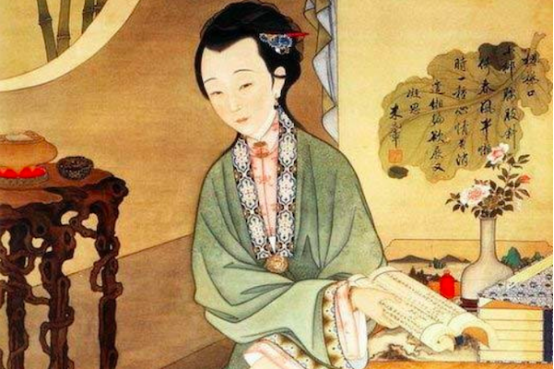
The Peony Pavilion, a legendary play by Tang Xianzu, a giant of Chinese literature during the Ming Dynasty, is a pinnacle of Kunqu opera. Since its premiere in 1598, it has captivated countless audiences with its vivid love story, exquisite lyrical language, and profound philosophical messages. More than a love story, The Peony Pavilion is a song of life. Through the story of the love between Du Liniang and Liu Mengmei, it depicts the awakening of humanity, the purity of emotion, and a celebration of the freedom of life. Its fusion of literature, opera, and music has made it an irreplaceable classic in the treasure house of Chinese culture.
1. Love Awakening: The Emotional Power That Transcends Life and Death
The core theme of “The Peony Pavilion” is love, a love that transcends mere affection between a man and a woman but symbolizes a spiritual awakening. Du Liniang and Liu Mengmei’s encounter, acquaintance, and love transcend the boundaries of life and death, showcasing the purity and tenacity of love. In the play, Du Liniang encounters Liu Mengmei in a dream. From the thrill of first sight to a deep bond, her emotional awakening not only awakens her soul’s longing but also challenges the constraints placed on women’s emotions by society at the time.
Du Liniang’s dedication to love symbolizes the power of life. She prefers to experience love in her dreams rather than be confined by worldly ethics. Her “lifelong commitment,” ultimately fulfilled through Liu Mengmei’s efforts, embodies the power of love to transcend life and death, time, and space. This depiction not only captures the moving power of love but also expresses the author’s profound respect for the freedom of life and individual emotions.
Love in The Peony Pavilion is imbued with philosophical significance: it is not only a natural expression of human emotion but also a catalyst for spiritual awakening. Love awakens Du Liniang, and it drives her to assert herself. This awakening, closely linked to the vitality of life, creates the play’s unique spiritual tension.
2. A Tribute to Life: Philosophical Reflections on Life and Death
The Peony Pavilion not only depicts love but also, through love, reflects the meaning of life. Du Liniang’s death and resurrection are profound expressions of the cycle of life and the laws of nature. In the play, death is not the end, but rather the continuation of emotional and spiritual strength. Du Liniang appears in dreams and as a spirit, symbolizing the freedom and immortality of life.
Through delicate descriptions, Tang Xianzu explores the value of life and the meaning of human existence. While allowing the audience to experience the passion of love, he also allows them to contemplate the relationship between life and death, dreams and reality. “The Peony Pavilion” presents a philosophical aesthetic: the true meaning of life lies in experience and feeling, and love is the purest form of life experience. Through Du Liniang’s story, the audience is led to cherish every emotional experience and every moment of life, and to understand the unique dignity and vitality of life.
Kunqu opera’s performance format enhances the expressive power of this celebration of life. Its delicate vocals, graceful movements, and poetic dialogue seamlessly blend the characters’ emotions with the rhythm of life. Through this dual auditory and visual experience, the audience not only senses the delicacy of love but also experiences the richness and fluidity of life.
3. The Poetic Expression of Kunqu Opera
The Peony Pavilion’s status as a classic lies in the unique charm of its Kunqu opera form. Kunqu opera emphasizes the integration of singing, recitation, acting, and acrobatics, bringing literary works to life through rhythm, movement, and expression. The lyrics, mostly in the form of sanqu (literary songs), are refined and richly musical, each line imbued with the emotions and psychology of the characters.
Du Liniang’s “Awakening from a Garden Dream” is one of the most famous passages in The Peony Pavilion and a pinnacle of Kunqu opera. In this scene, she dreams of Liu Mengmei in the garden, singing and dancing gracefully, her emotions flowing freely. Kunqu performers, through delicate eye contact, gestures, and body language, convey the subtle shifts between dream and reality, emotion and psychology. This poetic expression elevates the themes of love and life, and embodies the ultimate pursuit of beauty in traditional Chinese opera.
Furthermore, “The Peony Pavilion” creates a unique artistic realm through its use of stage space and music. The background music, flute, and guzheng instruments complement the lyrics, transporting the audience to a world where dreams and reality intertwine. This artistic approach not only enhances the plot’s appeal but also imbues the play with profound cultural and philosophical meaning.
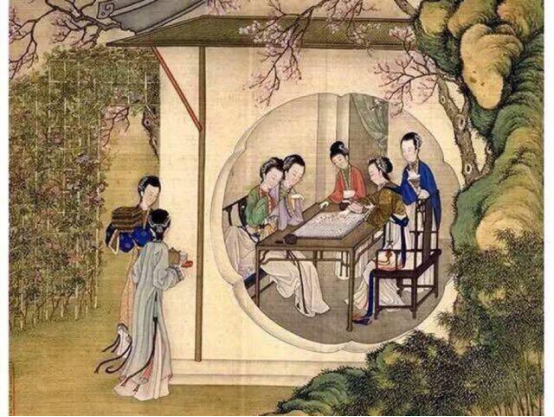
4. Influence of Culture and Thought
The Peony Pavilion holds a significant place in Chinese cultural history, its influence spanning literature, opera, and even philosophy. Tang Xianzu’s advocacy of “true love is beauty,” emphasizing genuine emotion and respect for individual life, resonates with Ming Dynasty Confucian ethics and the aesthetic ideals of literati from the Tang and Song dynasties onward. Expressing its celebration of free will, vitality, and individual emotion through a love story, The Peony Pavilion exemplifies the perfect fusion of thought and art.
Furthermore, The Peony Pavilion has provided rich material for subsequent literature, opera, and film and television productions. It demonstrates how, through delicate psychological description and artistic form, the most universal human emotion—love—can be elevated into philosophical reflection and a celebration of life. This intellectual depth has enabled The Peony Pavilion to transcend the limitations of time and place, becoming a valuable model for the study of traditional Chinese culture and art.
5. Conclusion: An Eternal Ode to Love and Life
With its unique love story, exquisite Kunqu opera art, and profound philosophy of life, “The Peony Pavilion” has become a treasure of Chinese literature and opera. The love story of Du Liniang and Liu Mengmei has not only moved countless audiences but also symbolizes the individual’s pursuit of emotional freedom and vitality. The play’s exploration of life and death, dreams and reality, allows love to transcend time and space, becoming a core symbol of celebration of life.
Today, “The Peony Pavilion” continues to captivate audiences with its poetic language, exquisite performances, and rich thought. It reminds us that love is not only an awakening of the soul but also a respect and celebration of life; the meaning of life lies in truly experiencing every emotion and every existence. Thus, “The Peony Pavilion” has become a timeless artistic masterpiece, a classic work about love, life, and beauty.