
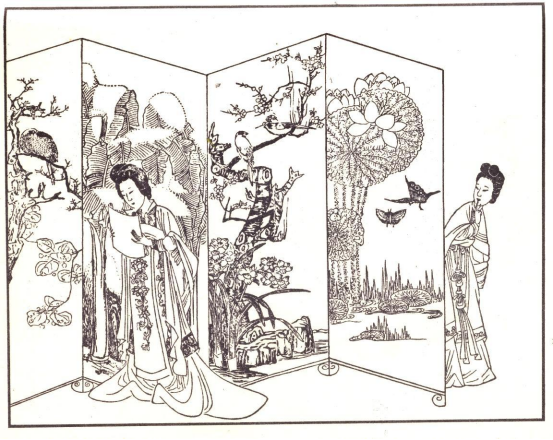
“Romance of the Western Chamber” is an enduring masterpiece in the history of ancient Chinese opera. Written by the Yuan Dynasty playwright Wang Shifu, it is hailed as the “masterpiece of Yuan drama.” This work has not only captivated readers and audiences for centuries with its captivating love story and elegant poetic language, but also embodies a strong spirit of resistance and profound humanistic pursuits. The love in “Romance of the Western Chamber” is not simply a romantic narrative, but a gentle struggle against feudal ethics and social oppression, a celebration of true love, individuality, and the liberation of human nature. It shows how, within the moral constraints of ancient society, love becomes the most beautiful expression of the individual soul’s pursuit of freedom and dignity.
1. The spirit of resistance in love stories
The story of “Romance of the Western Chamber” is based on Yuan Zhen’s “The Story of Yingying” from the Tang Dynasty, but Wang Shifu imbued his adaptation with deeper ideological and artistic depth. The encounter between the scholar Zhang Sheng and Cui Yingying at Puji Temple is one of the most celebrated “talented scholar and beautiful woman” romances in Chinese literary history. Zhang Sheng expressed his feelings through poetry, and Yingying responded with her heart. Their journey, from secret love, to testing times, and finally to a vow of mutual dependence, is filled with sincerity and courage.
In the social context of the time, Cui Yingying, as a lady of noble birth, was expected to obey her parents’ orders and the matchmaker’s words, and was not allowed to freely pursue love. However, “The Romance of the Western Chamber” allows her to break free from the constraints of etiquette and actively pursue love, which in itself is a challenge to feudal ethics. Her courage to acknowledge her feelings and to choose truth over reason and desire makes her one of the earliest awakening female characters in Chinese literary history.
The love between Zhang Sheng and Yingying is not just the meeting of two hearts, but also the yearning for freedom of two souls. They express their feelings through poetry and prose, resisting worldly prejudices with wisdom and courage, symbolizing the awakening of humanity from the shackles of morality. “The Romance of the Western Chamber” elevates love beyond traditional notions of marriage, becoming a symbol of individual liberation and emotional sincerity.
2. Depth of Thought Beyond the Talented Scholars and Beautiful Women
While “Romance of the Western Chamber” centers on love, its ideological significance goes far beyond romantic narrative. Through the story of a talented scholar and a beautiful woman, Wang Shifu expresses his dissatisfaction with the social system and the oppression of human nature. The love he depicts is an emotional rebellion against a rational society and a call for humanity within a world of etiquette and law.
The love story of Cui Yingying and Zhang Sheng is not only an expression of personal emotion but also reveals the constraints imposed by social institutions on human nature. Feudal ethics demanded that women remain faithful to their husbands, suppressing their emotions and will. However, in “The Romance of the Western Chamber,” Yingying demonstrates through her actions that love should be born from the heart, unconstrained by status. This philosophy transcends traditional concepts and demonstrates the author’s respect for individual dignity and emotional freedom.
At the same time, “Romance of the Western Chamber” also showcases Wang Shifu’s understanding of ideal love and the brilliance of human nature. The love he depicts is not a utilitarian union, but a resonance of the soul and a harmony of spirit. The union of Zhang Sheng and Yingying not only represents the love between men and women but also symbolizes the fusion of rationality and sensibility, poetry and reality, embodying the romantic ideals of humanism.
3. Humanistic Aesthetics in Artistic Language
“Romance of the Western Chamber” is also a classic in its artistic expression. Wang Shifu, with his elegant poetry and fluent dialogue, depicts the delicate emotions and psychological dynamics of love. The famous “Farewell at the Long Pavilion” scene, with its moving lyrics and delicate emotional descriptions, captures the sorrow of parting and the sincerity of longing. Yingying’s words, “May all lovers in the world find love,” have become one of the most powerful declarations of love in Chinese literature.
The beauty of language is a crucial underpinning of the intellectual power of “Romance of the Western Chamber.” Wang Shifu employs poetic language to construct the characters’ inner emotional worlds, making love not only the driving force of the plot but also the core spirit of the art. Through delicate psychological portrayal and masterful lyrical techniques, he imbues the characters with vivid, relatable emotions on stage. This emotional authenticity embodies a profound humanist understanding of what it means to be human.
Furthermore, the structure of “Romance of the Western Chamber” is highly artistic. The play, woven around the thread of love, progresses layer by layer, from first encounter, secret promise, longing, to union, creating a poetic lyricism and dramatic tension. Wang Shifu’s integration of psychological description within the framework of traditional opera elevates “Romance of the Western Chamber” beyond the realm of a simple love story, transforming it into a literary masterpiece imbued with the brilliance of human nature.
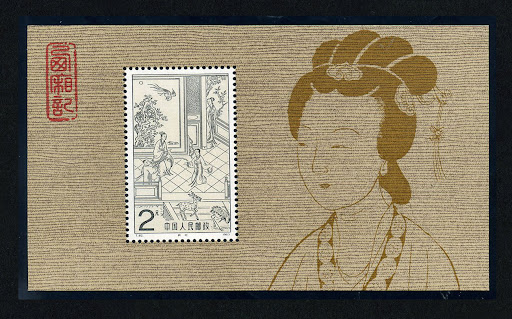
4. The Cultural Significance and Historical Influence of The Romance of the Western Chamber
The Romance of the Western Chamber holds significant significance not only in literary history but also in socio-cultural influence. It made love a subject of public discussion and spurred a shift in Chinese literature from ethical narratives to emotional expression. Since the Ming and Qing dynasties, countless literati have drawn inspiration from the novel in poetry, paintings, and commentary, even continuing its spirit in opera and novels.
More importantly, “Romance of the Western Chamber” provides a literary prototype for the awakening of female consciousness. Cui Yingying’s character transcends the traditional ideal of chastity, quietness, and propriety, demonstrating a woman’s independent choices over her emotions and destiny. Gentle yet intelligent, reserved yet courageous, she symbolizes the awakening of individual consciousness among ancient women. Through her story, Wang Shifu expressed his understanding and respect for female emotion, paving the way for subsequent women’s literature.
Furthermore, the rebellious spirit of “Romance of the Western Chamber” has influenced numerous subsequent works. From Du Liniang in “The Peony Pavilion” to Lin Daiyu in “Dream of the Red Chamber,” all female characters in Chinese literature who dare to pursue true love can trace their spiritual roots to “Romance of the Western Chamber.” Wang Shifu writes about love with tenderness, yet beneath this delicate emotion lies a profound reflection on freedom and human nature.
5. Conclusion: Eternal Love in the Light of Humanity
The Romance of the Western Chamber has endured for centuries not only because it tells a moving love story but also because it reveals humanity’s enduring quest for truth, freedom, and dignity. Through the story of Zhang Sheng and Yingying’s love, Wang Shifu demonstrates the power of emotion—its ability to transcend the constraints of propriety and overcome worldly prejudices, awakening the purest longings within.
This work depicts resistance with a gentle touch, expressing the human spirit through a romantic narrative. It teaches us that love is not merely a union of emotions but also the awakening of the soul; that the beauty of humanity lies in sincerity, courage, and freedom. It is precisely for this reason that “Romance of the Western Chamber” transcends time, becoming a timeless classic in Chinese literary history—a magnificent poem about love and the liberation of humanity, and a paean to humanity that transcends time and space.