
Hey, everyone! Today, I want to introduce you to a significant piece of Chinese literature that offers a stark and unflinching look at the darker side of feudal society—The Plum in the Golden Vase, also known as Jin Ping Mei. This novel isn’t just a story; it’s a detailed and often unsettling portrayal of the corruption and moral decay that plagued late Ming Dynasty China. If you’re interested in exploring a world where power, wealth, and desire intertwine with devastating consequences, this book is a must-read.
A Glimpse into the Corrupt World
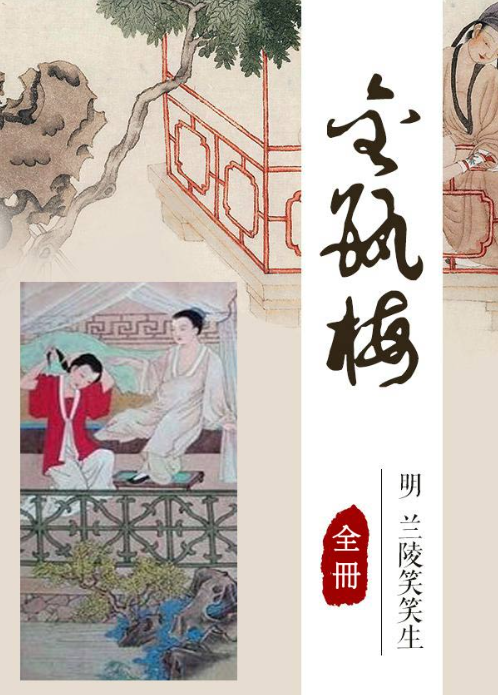
The Plum in the Golden Vase is set in the late Ming Dynasty and revolves around the life of Ximen Qing, a wealthy merchant and local magistrate, and his interactions with his family, mistresses, and the corrupt officials he bribes. The novel provides an unvarnished look at the decadence of the time, depicting a society where traditional values have crumbled under the weight of greed and excess.
The story follows Ximen Qing as he navigates the treacherous waters of power and wealth, using his money to influence officials and escape legal consequences. His relationships with his wives and mistresses, particularly Pan Jinlian and Li Pinger, are marked by manipulation, jealousy, and betrayal. The novel doesn’t shy away from depicting the harsh realities of life in a feudal society, where the pursuit of wealth and status often comes at the cost of morality and human dignity.
Why It Resonates with Western Readers
For Western readers, The Plum in the Golden Vase offers a unique and often disturbing glimpse into a society very different from their own. The novel’s unflinching portrayal of corruption and moral decay can be seen as a mirror to the excesses and inequalities that exist in any society where power and wealth are concentrated in the hands of a few.
The characters in the novel are complex and multifaceted, making them both fascinating and repulsive. Ximen Qing, with his blend of charm and ruthlessness, is reminiscent of characters like Jay Gatsby in The Great Gatsby, whose pursuit of wealth and status also leads to moral compromise and tragedy. Similarly, Pan Jinlian’s cunning and ambition reflect the struggles and limitations faced by women in a patriarchal society, much like the characters in many Western literary works that explore the constraints of gender roles.
A Social and Moral Critique
Beyond its shock value, The Plum in the Golden Vase is a profound social and moral critique. The novel exposes the hypocrisy of the ruling class and the destructive effects of unchecked desire and ambition. It shows how the pursuit of wealth and power can corrupt individuals and entire societies, leading to the breakdown of traditional values and the suffering of the innocent.
The novel also offers insights into the complex dynamics of family and social relationships in feudal China. The intricate web of alliances, rivalries, and betrayals within Ximen Qing’s household mirrors the larger struggles taking place in society at large. Through its detailed and often graphic depiction of life in late Ming China, The Plum in the Golden Vase challenges readers to confront uncomfortable truths about human nature and the consequences of moral failure.
The Bottom Line
If you’re looking for a novel that offers more than just entertainment—a story that challenges your assumptions and broadens your understanding of human nature and society—The Plum in the Golden Vase is a journey worth taking. It’s a difficult but rewarding read that will leave you with a deeper appreciation for the complexities and contradictions of the human condition.
So, why not give it a try? You might just find yourself captivated by the complex characters and the unflinching look at a society on the brink of collapse, and perhaps, discover parallels to the world we live in today.