
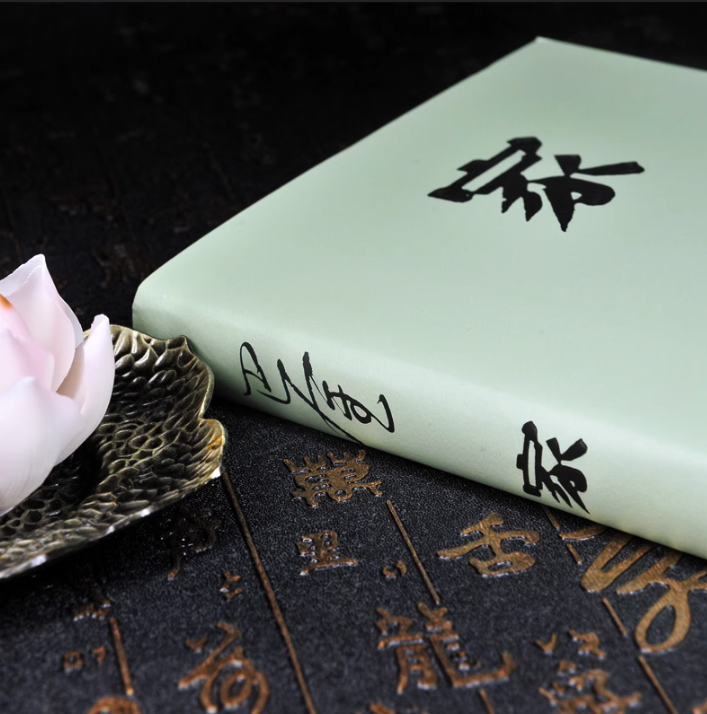
Hey, everyone! Today, I want to introduce you to a profound piece of Chinese literature—Family, written by Ba Jin. This novel is not just a story; it’s a vivid portrayal of the conflicts and struggles within a feudal family, as well as the awakening and rebellion of the youth against feudal traditions. If you’re interested in exploring a world where family ethics and personal freedom collide, this book is a must-read.
The Story and Its Characters
Family is set in the early 20th century in Chengdu, Sichuan, and centers around the Gao family, a typical feudal household. The novel follows the lives of three brothers—Jue Xin, Jue Min, and Jue Hui—and their struggles against the constraints of feudal family traditions.
Jue Xin, the eldest brother, is a complex character torn between his duty to the family and his personal desires. His passivity and compliance lead to personal tragedies, making him a symbol of the sacrifices demanded by feudal ethics. Jue Min, the second brother, is more resolute and daring, willing to defy family expectations for love and personal freedom. Jue Hui, the youngest, is the most rebellious, embracing new ideas and fighting against the old order with fervor.
The Author: Ba Jin
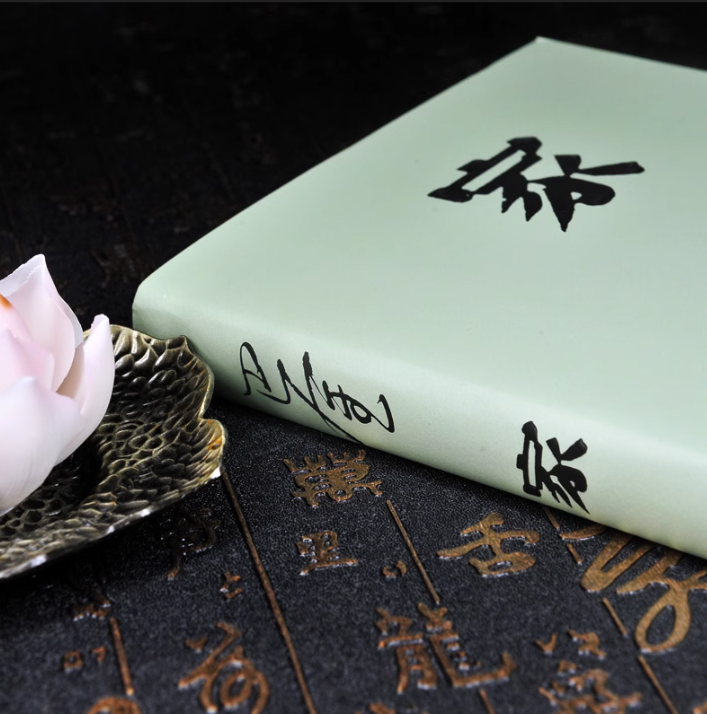
Ba Jin, one of China’s most influential modern writers, drew from his own experiences and observations to create Family. As a key figure in the May Fourth Movement, he championed democratic ideals and individual freedom, themes that permeate his work. His writing style is passionate and direct, making complex social issues accessible to readers.
Why It Resonates with Western Readers
For Western readers, Family offers a window into early 20th-century Chinese society, revealing the tensions between tradition and modernity. The novel’s exploration of themes like family duty, personal freedom, and social change mirrors universal human experiences, making it relatable across cultures.
The characters’ internal struggles and growth reflect the broader societal transformations of the time, much like works by Western authors who explore similar themes of rebellion and awakening. This universality allows readers to connect with the characters’ dilemmas and triumphs, despite cultural differences.
A Social and Cultural Critique
Beyond its compelling narrative, Family is a powerful critique of feudalism. Ba Jin exposes how feudal family structures suppress individuality and perpetuate social inequality. The novel’s depiction of women’s struggles, such as the tragedies of Rui Ju and Ming Feng, highlights the gender oppression inherent in feudal systems.
Ba Jin’s call for youthful rebellion and new thinking serves as an inspiration, not just for his time but for any society grappling with unjust traditions. His message—that progress requires challenging entrenched authorities—remains relevant today.
The Bottom Line
If you’re looking for a novel that combines a compelling family drama with social critique, Family is a journey worth taking. It’s a story that will immerse you in an early 20th-century Chinese household while prompting you to reflect on universal themes of freedom, duty, and change.
So, why not give it a try? You might find yourself inspired by the courage of its characters and gain new insights into the human struggle for freedom and dignity.