
Chinese classics are not only literary treasures but also carriers of traditional culture. In these works, descriptions of food not only reflect daily life but also carry a rich tapestry of social classes, festive rituals, philosophical thought, and aesthetic tastes. The descriptions of banquets, dim sum, and tea not only allow readers to experience the ancient world of flavor but also invite us to conjure up culinary stories from around the world , allowing us to appreciate the flavors and dining traditions of different countries from a multicultural perspective.
Whether it is the grand banquet at the Jia Mansion or the ginseng fruit in Sun Wukong’s mouth, Chinese classics have constructed a three-dimensional world of food through words. At the same time, through these food symbols, readers can also experience the wonderful experience of the collision of multinational cuisines and cultures, extending literary reading to a sensory journey of global food and cultural exchange.
Deliciousness is also culture: classic food descriptions in famous works
Dream of the Red Chamber: Banquets and Exquisite Life
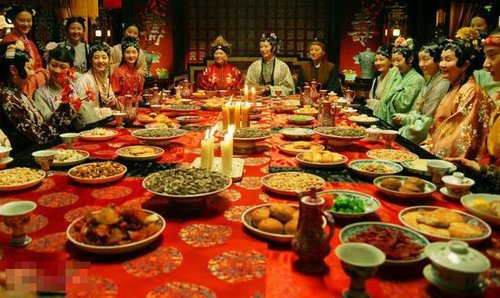
The descriptions of banquets at the Jia residence in “Dream of the Red Chamber” are truly memorable. The feasts at the Grand View Garden not only feature a rich variety of ingredients but also emphasize etiquette and seasonality. From the pastries and sweets at morning tea to the meat and vegetable combinations at dinner, each dish reflects social class, status, and family position. The culinary interactions between Jia Baoyu, Lin Daiyu, and Xue Baochai further illuminate their characters and interpersonal relationships. Through these detailed descriptions, readers not only experience the flavors of the food but also understand the cultural significance of the banquets.
Journey to the West: Mythical Food and Symbolism
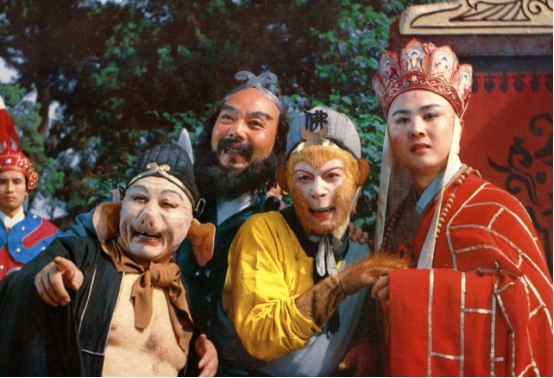
In Journey to the West, food is not only a necessity but also carries symbolic meaning. Mythical foods like ginseng fruit, fairy peaches, and golden elixirs represent longevity, wisdom, and extraordinary power. The foods consumed by Tang Sanzang and his disciples on their pilgrimage to the West also embody their survival wisdom and adaptation to the natural environment. Through these foods, literature skillfully blends reality and fantasy, the ordinary and the magical, making food a crucial medium for storytelling and cultural expression.
Water Margin and Romance of the Three Kingdoms: Folk and Battlefield Diet
The Liangshan heroes’ culinary depictions in “Water Margin” often focus on feasting and drinking, reflecting the ruggedness and heroic spirit of Jianghu life. Meanwhile, scenes of military rations and banquets in “Romance of the Three Kingdoms” reflect the social order and resource allocation during wartime. Through these descriptions, readers can appreciate the cultural significance and social symbolism of food across different social classes and backgrounds.
The cultural code behind food
Food and social identity
In classic Chinese literature, food is often used as a symbol of social status and class. Exquisite banquets and high-quality ingredients reflect wealth and status, while coarse grains and battlefield food reflect folk life and survival wisdom. Literature uses food to reveal social structures, making food a reflection of social culture.
The flavors of region and season
Classical literature often features descriptions of regional and seasonal ingredients, such as fresh fish in the south, dried goods in the north, hot pot in winter, and refreshing snacks in summer. These descriptions not only provide visual and gustatory experiences but also demonstrate the adaptation and respect of Chinese culinary culture for the natural environment.
Health preservation and philosophical thoughts
Food also carries health-preserving and philosophical concepts in classic works. For example, the tea and dim sum in “Dream of the Red Chamber” emphasize the balance between taste and health, while the immortal fruit in “Journey to the West” symbolizes longevity and wisdom. These descriptions reflect the ancients’ reflections on food and the philosophy of life.
Beyond Borders: The Impact of Famous Food on the World
Modern Diet Aesthetic Inspiration
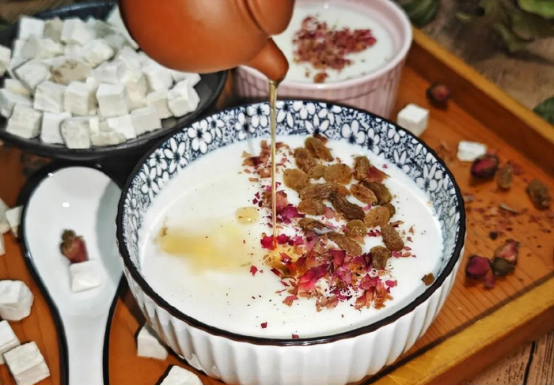
The depictions of food in classical literature have inspired modern food design and dining culture. For example, tea culture, pastry craftsmanship, and festive table settings are all reflected in restaurants and culinary practices across different countries. The symbolism of food in literature serves as a bridge for cross-cultural exchange.
Overseas readers’ food associations
Readers around the world are learning about Chinese culinary culture through classic works. For example, the exquisite pastries and teas depicted in “Dream of the Red Chamber” are considered emblematic of Chinese culinary art, while the mythical foods featured in “Journey to the West” have sparked interest in Chinese culture. This fusion of literature and food has led to a wider understanding and appreciation of traditional Chinese cuisine.
A bridge for global food sharing
With the rise of social media and food blogs, the food scenes depicted in classic Chinese literature have become a source of inspiration for food sharing in the modern world. Whether it’s festive table settings, pastry making, or ingredient pairings, the food culture depicted in literature is closely integrated with modern food sharing, forming a cross-cultural network for culinary exchange.
Taste memories in the pages of books
The cuisine depicted in classic Chinese literature is more than just literary description; it serves as a vehicle for cultural symbols and life wisdom. By reading these classic works, readers can understand the ancient people’s attitudes toward life, social relationships, philosophical thinking, and aesthetic pursuits. Furthermore, these culinary descriptions offer inspiration and a bridge for contemporary culinary exploration, allowing classical literature to connect with global culinary culture. Next time you open a book, pay attention to these exquisite food descriptions; you might discover a culinary journey that transcends time and space.