
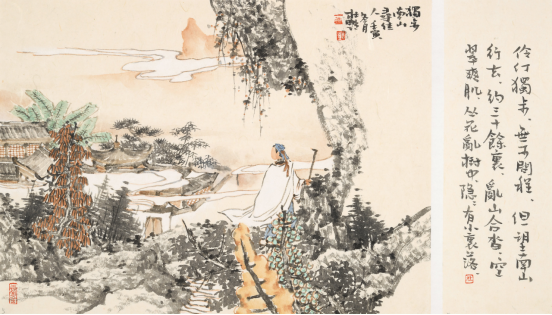
When studying classic Chinese novels such as *Dream of the Red Chamber*, *The Peony Pavilion*, and *Strange Tales from a Chinese Studio*, we are not only captivated by the characters’ fates but also moved by the meticulously depicted courtyard layouts and floral imagery. Strolling along the secluded paths of the Grand View Garden or amidst the dappled blossoms of the Xiaoxiang Pavilion, one can almost feel the natural atmosphere and aesthetics of life conveyed by the authors through their words. These descriptions not only showcase the aesthetic sensibilities of the ancients but also provide invaluable inspiration for modern gardening enthusiasts. Furthermore, we can read classical gardening observations and sharing sessions to understand the artistic charm of courtyard layouts and floral arrangements from a literary perspective.
The artistic conception of courtyards in classic works
Courtyard design and spatial layout
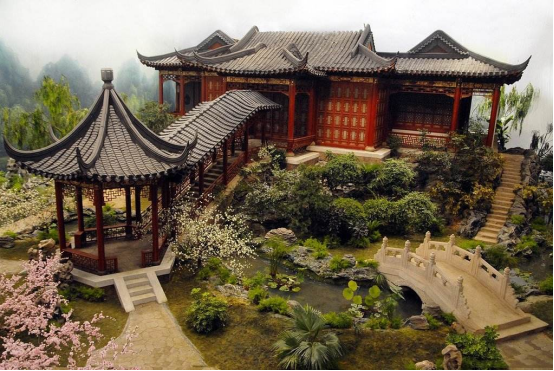
In classic Chinese literature, courtyards are not only places of life but also carriers of culture and emotion. In *Dream of the Red Chamber*, the layout of the Grand View Garden emphasizes spatial layering: winding paths, flowing streams, and surrounding flowers and trees. Every corner is imbued with symbolic meaning; for example, the artificial hill and pond complement each other, not only making the courtyard more three-dimensional but also reflecting the characters’ personalities and the family atmosphere. This meticulously planned approach aligns perfectly with the modern courtyard design philosophy of “balancing function and aesthetics.”
Plants and cultural symbols
The book frequently uses plants to convey the characters’ personalities and the emotions of the story. Peonies symbolize wealth and splendor, plum blossoms represent resilience and purity, and bamboo signifies integrity and moral character. Through these plant images, the author silently depicts a living space rich in cultural symbols for the reader. Even in modern garden design, this symbolic design can still add poetry and a sense of narrative to the courtyard.
The presentation of floral aesthetics in literature
Description of flowers in all four seasons
The descriptions of flowers in classic works are exquisite and detailed. Peach blossoms in spring, lotus flowers in summer, chrysanthemums in autumn, and plum blossoms in winter not only add color to the stories but also reflect the characters’ psychological states. For example, the description of flower shadows at midnight in “Strange Tales from a Chinese Studio” not only enhances the mysterious atmosphere of the story but also highlights the author’s keen observation of natural scenery.
Combining literature and gardening skills
The ancients’ experience in managing garden plants is often reflected in literature. The pruning, cultivation methods, and seasonal care described in these books provide a reference for modern horticultural practices. For example, the description of peony cultivation in “The Peony Pavilion” can inspire modern flower enthusiasts to try similar cultivation methods on their balconies or in their gardens.
Modern Horticulture Inspiration and Practice
From classic literature to real-life floral arrangements
Transforming literary descriptions into real-world applications can create unique courtyard spaces. By imitating the flower arrangements and layout styles described in books, not only can the visual aesthetics of the courtyard be enhanced, but people can also experience a cultural atmosphere in their daily lives. For example, by utilizing the winding paths, artificial hills, and pergolas described in the book, a modern courtyard can possess a classical charm.
Extending value across themes
The combination of literature and gardening creates a cross-thematic content resonance. Understanding garden art through classic works not only broadens readers’ cultural horizons but also stimulates their interest in nature and aesthetics. This interdisciplinary approach provides rich material for content creation and also helps to naturally embed relevant thematic links, thereby improving website ranking.
Conclusion
The courtyard imagery and floral art in classic Chinese literature are not only the spiritual core of the literature but also a reflection of the aesthetics of ancient life. By combining reading with practice, modern gardening enthusiasts can draw inspiration from the texts, integrate floral aesthetics into their lives, and make their courtyards not only embody the breath of nature but also tell stories of culture. Cross-themed content sharing, such as links through observations of classical gardening, also makes the exchange between literature and gardening more natural and profound.