
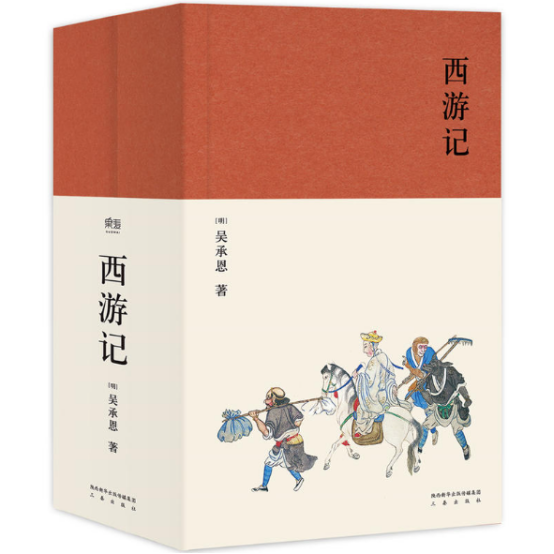
Hey, everyone! Today, I want to introduce you to a fascinating piece of Chinese literature that has delighted readers for centuries—Journey to the West. This novel isn’t just a fantasy adventure; it’s a profound spiritual allegory that explores themes of freedom, faith, and the quest for enlightenment. If you’re looking for a story that combines thrilling action with deep philosophical insights, this is the book for you.
A Journey Filled with Magic and Wonder
Journey to the West follows the legendary pilgrimage of the monk Tang Sanzang and his three disciples—Sun Wukong, Zhu Bajie, and Sha Wujing—as they travel from China to India in search of sacred Buddhist scriptures. The journey is fraught with dangers, as the group faces ninety-nine trials and tribulations, each more bizarre and challenging than the last.
Sun Wukong, the Monkey King, is the star of the story. With his mischievous personality, superhuman strength, and magical staff that can stretch to the heavens, he’s a rebel with a cause. His journey from a troublemaking rogue to a disciplined disciple symbolizes the taming of the wild spirit and the pursuit of enlightenment.
Zhu Bajie, the gluttonous pig, and Sha Wujing, the quiet but loyal sand monk, add depth and humor to the story. Together, the four travelers form a diverse and dynamic group, each contributing to the rich tapestry of the journey.
A Story That Transcends Cultures
While deeply rooted in Chinese mythology and Buddhism, Journey to the West has universal themes that resonate with readers worldwide. The novel explores the tension between rebellion and conformity, freedom and discipline—themes that are relevant across cultures and time periods.
Sun Wukong’s rebellion against the heavenly gods and his eventual quest for redemption mirror the archetypal journey of many Western heroes, from Prometheus to Luke Skywalker. His story is one of transformation, where the hero learns to harness his power for a greater good.
The novel also delves into the nature of faith and perseverance. Tang Sanzang’s unwavering determination to complete his mission, despite countless obstacles, is a testament to the power of belief and moral conviction.
A Window into Chinese Culture and Philosophy
For Western readers, Journey to the West offers a fascinating glimpse into Chinese culture and philosophy. The novel is steeped in Buddhist and Taoist thought, exploring concepts like karma, enlightenment, and the balance between good and evil.
The vivid descriptions of mythical creatures, celestial realms, and magical artifacts provide a rich cultural backdrop that is both exotic and captivating. While some of the cultural references might be unfamiliar at first, they add layers of depth to the story and invite readers to explore the spiritual traditions that shaped it.
A Story for Everyone
What makes Journey to the West so enduring is its ability to appeal to readers of all ages and backgrounds. Children are drawn to the exciting adventures and colorful characters, while adults find profound philosophical insights and a reflection on the human condition.
The novel’s exploration of themes like the struggle between good and evil, the search for identity, and the importance of perseverance makes it a timeless classic that continues to inspire and captivate readers around the world.
The Bottom Line
If you’re looking for a novel that combines thrilling fantasy with deep philosophical insights, Journey to the West is a journey worth taking. It’s a story that will transport you to a world of magic and wonder, while also challenging you to reflect on your own beliefs and values.
So, why not give it a try? You might just find yourself enchanted by the adventures of Sun Wukong and his companions, and perhaps, discover a little bit of yourself in their journey.